Foundation Repair Across the Kansas City Area

Plenty of foundation cracks are harmless, and some are the first sign of a wall or footing that is moving. We help homeowners within about 45 miles of Gardner tell the difference, and we repair the ones that are structural.

Where every repair starts

Finding What Is Actually Moving Your Foundation

A crack is usually the first thing a homeowner notices, and it is almost never the whole story. The crack is where the house gave. The real question is what pushed or pulled hard enough to make it give.

Around here, the answer is usually clay. The soil under Johnson County homes swells when it gets wet and shrinks when it dries, and that movement works on a foundation in two ways.

Clay that dries out and shrinks under a footing can let that part of the house settle. Clay that soaks up water and swells beside a basement wall can push the wall inward. Either one can crack the foundation and let water in, and each takes a different repair, which is why we look at your foundation inside and out, not just at the wall with the crack in it.

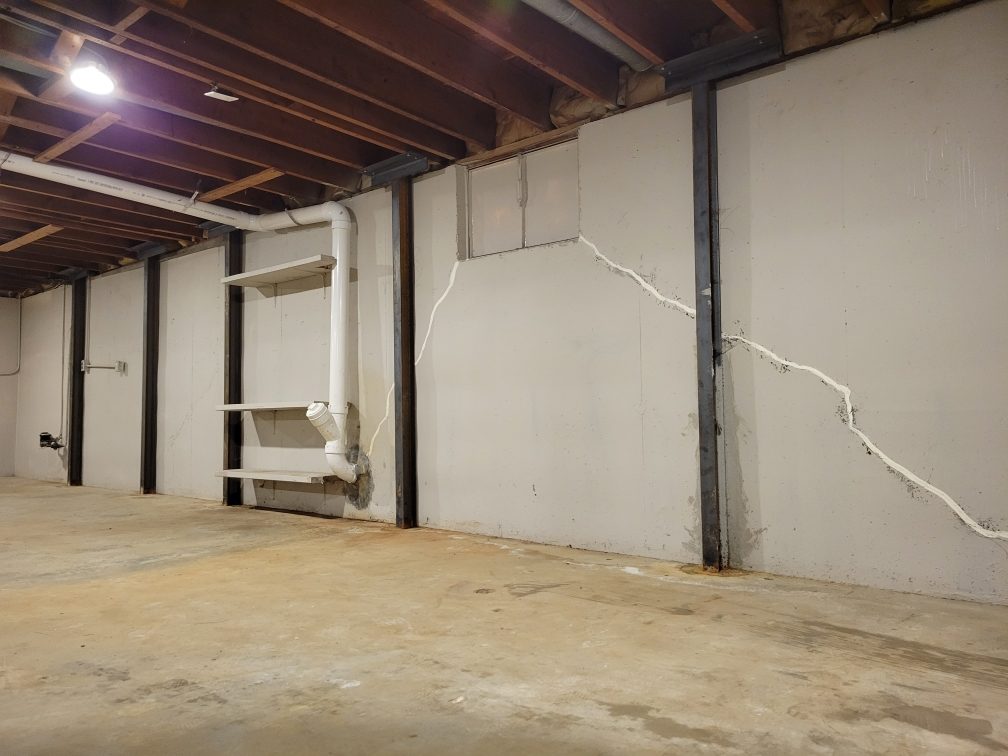
Long crack running down a poured concrete basement wall between steel wall restraints

Warning signs

What Each Warning Sign Usually Means

The sign you noticed first is usually not the whole problem. A door that sticks upstairs and a crack in the basement below it are often the same settled corner showing up in two places, so we trace every sign back to what is moving underneath before we recommend a repair.

Cracks in Poured Concrete Walls

A crack that runs sideways across a poured concrete wall usually means the soil outside is pushing that wall inward.

A crack that is wider at the top than at the bottom usually means the footing under that part of the wall has settled.
Basement Walls Bowing Inward

Stand at one end of a basement wall and look down its length. A bowing wall bellies in toward the middle instead of running straight.

Most bowing walls also have a long horizontal crack partway up, where pressure from the soil outside has cracked the wall.

Water Coming Through a Crack

A crack that darkens or weeps after a heavy rain is letting water through the wall, not just showing that the wall has moved.

You may also find a damp strip on the floor below it, or a white, powdery crust along the crack where the water has dried.

Floors That Slope Toward One Corner

Set a marble down and it rolls toward one corner of the room, usually the corner where the footing underneath has settled.

On that side of the room, you may also see a gap open up between the floor and the bottom of the baseboard.

Doors and Windows That Stick

When the same door sticks every spring and swings free again by fall, the frame is moving along with a foundation that shifts with the seasons.

A sticking door alone is rarely urgent, but it usually points to the corner of the house where the foundation is moving most.

Cracked Drywall and Gaps at Brick

Drywall cracks that run up from the corners of doorways and windows show where the structure below has shifted.

Outside, the same movement opens gaps between brick and window frames, or a crack that steps up through the mortar in a brick wall.

Stair-Step Cracks in Block Walls

If your basement walls are concrete block, a crack that climbs through the mortar joints like a staircase usually means the soil outside is pressing on that wall.

As the pressure keeps up, the wall can start to lean inward along that crack, and some blocks may shift out of line with the ones around them.

Seeing Cracks, Bowing Walls or Sloping Floors in Your House?

You do not have to figure out which of these you have before you call. Tell us what you noticed and where in the house, and we will set up a time to look at your foundation in person.

When we do, we check it inside and out and tell you whether it is settling, bowing or showing a crack that is not a structural problem at all. The inspection is free, and so is the written estimate if you need a repair.

How we fix it

The Foundation Repairs We Do

The repair depends on what is moving and where. A crack that leaks but is not a structural problem can be sealed from inside, while a crack caused by a bowing wall or a settled footing will open again unless the movement behind it is stopped first.

01

Bowing Wall Repair

Wet soil pressing on the outside of a basement wall slowly pushes it inward, usually along a horizontal or stair-step crack.

We straighten the wall by pushing it back out, then install restraints to hold it there.

Restraints are steel braces bolted to the wall and fastened to parts of the house that do not move, like the basement floor and the framing above. The soil can keep pushing, but the braces carry that pressure so the wall cannot move any further in.

02

Foundation Piering

When one corner or side of the house settles, the soil under that footing is no longer holding it up evenly.

Piers are steel posts driven down through the soil, usually all the way to bedrock, then fastened to the footing so the house rests on them instead of the soil. That stops the settling.

Once the house is on piers, we can often lift the settled side back up, which levels out sloping floors and can close up cracks. How close to level it gets depends on the house, and we tell you what to expect before any work starts.

03

Foundation Crack Repair

Plenty of cracks are not structural at all, and they only need sealing so water stops coming through.

We inject those cracks from the inside. If a crack comes from a wall or footing that is still moving, we fix the movement first, because a seal will not hold on a wall that keeps shifting.

04

Cinder Block Wall Replacement

Sometimes a block wall has been pushed in so far, or cracked through so many mortar joints, that pushing it back and bracing it would not hold.

Then we take the damaged section down, rebuild it with new block, and waterproof the outside of the wall before the soil goes back against it.

05

Steel Main Beam Replacement

The main beam running down the middle of your basement, and the posts under it, carry a big share of the weight of the house.

When that beam has sagged, cracked or was undersized from the start, the floors above it dip toward the middle of the house. We replace it and its posts with steel, so the load is carried the way it was meant to be.

06

Drainage Around Your Foundation

Most of the foundation problems we fix start with rainwater collecting against the house instead of draining away from it.

Johnson County's guideline says the ground should drop at least 6 inches in the first 10 feet out from your foundation. If your yard slopes back toward the house instead, every heavy rain sends water straight to your foundation walls.

Depending on your yard, we regrade the soil so it slopes away, run your downspouts farther out or put in a French drain that catches the water underground and carries it off. Getting that water away from the house also protects every other repair on your foundation.

Where we work

Serving the Kansas City Metro

We're based in Gardner, and we're a growing company. Right now we're expanding about 45 miles out in every direction, which covers most of the metro on both sides of the state line. Not sure if we make it out your way? Give us a call and ask.

Kansas Service Area
  • Gardner
  • Olathe
  • Overland Park
  • Shawnee
  • Lenexa
  • Leawood
  • Spring Hill
  • Edgerton
  • De Soto
  • Lawrence
  • Eudora
  • Baldwin City
  • Ottawa
  • Paola
  • Kansas City
Missouri Service Area
  • Kansas City
  • Belton
  • Grandview
  • Raymore
  • Peculiar
  • Lee's Summit
  • Raytown
  • Independence
  • Blue Springs
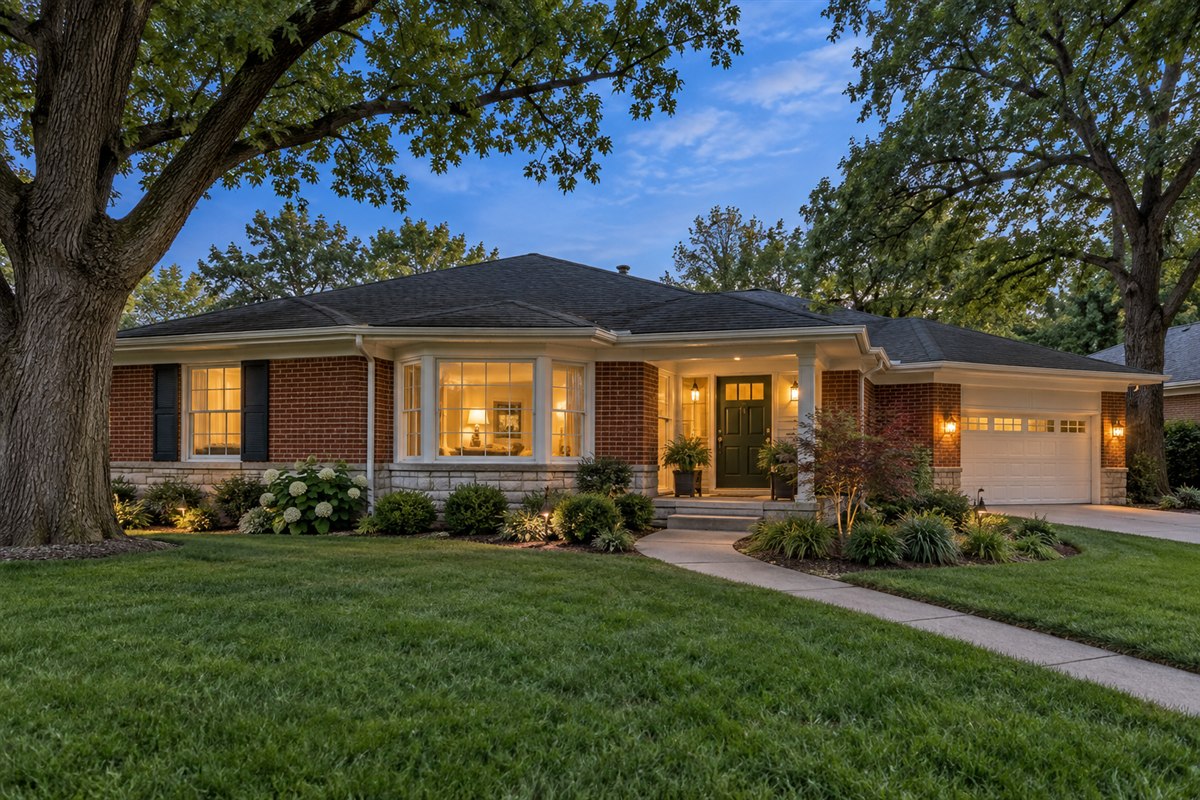
Red-brick ranch home with white trim, a front bay window and mature trees at dusk

Free estimate

Schedule Your Free Foundation Inspection

A few details in the message box help us know where to start looking: which wall or room it is in, when you first noticed it, and whether it seems to change with the seasons.

There is no charge for the inspection or the estimate.

Location
Gardner, KS 66030
Hours
Monday to Friday, 8:00 AM to 6:00 PM
Saturday and Sunday, Closed

Prefer to talk? Call (913) 444-0115 during business hours.

FAQs

Questions About Foundation Repair

These usually come up once we are standing in the basement together and a repair starts to feel real.

How do I know which foundation repair my house needs?

Most of the time, the signs point the way. A bowing wall or a horizontal crack usually means the soil outside is pushing on that wall, while a floor that slopes toward one corner usually means the footing under that corner has settled.

Plenty of houses have more than one of those going on at once, so we check your walls for bowing, your floors for level and where your rainwater drains before we recommend anything. Once we have the whole picture, you get our recommendation and what it costs in writing before you decide.

Will my wall or floor go back to perfectly straight?

It depends on how long it has been moving. Once a bowing wall is braced, we can push it back a little at a time, and a wall that started leaning recently often comes most of the way back.

The longer a wall or floor has been moving, the harder it is to get it back to perfectly straight. Either way, stopping the movement comes first, and before we start, we tell you how much we expect to gain back.

Is there anything I can do myself to protect my foundation?

Yes, and most of it is about water. Keep your downspouts draining well away from the house, and make sure the ground slopes away from your foundation instead of toward it.

Clean your gutters every spring and fall, too. A clogged gutter spills over the edge and dumps rain right beside the foundation, even when the downspouts are in good shape.

If you already have a crack, mark both ends with a pencil and write the date next to it. If it grows past those marks, you will know it is getting worse, and that is a good time to call us.

Should I get more than one estimate?

If something about the first company did not sit right with you, yes. If they rushed the inspection, could not explain what is causing the problem or pushed you to sign that day, a second opinion is worth the time.

Getting estimates just to find the lowest price is a different story. Foundation repair is not the place to cheap out, because the parts that matter most end up buried in the ground or behind a wall where you will never see them again.

Do you repair foundations on rental houses and duplexes?

Yes. We work for homeowners, landlords and property managers, and a rental gets the same inspection and the same written estimate as a house someone lives in.